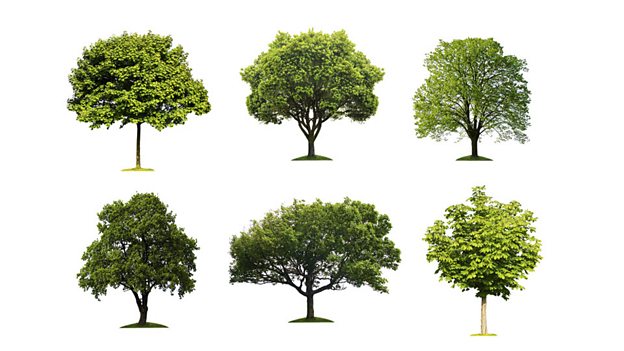
Unit 29: Lost arts
Used to & would
Select a unit
- 1 Nice to meet you!
- 2 What to wear
- 3 Like this, like that
- 4 The daily grind
- 5 Christmas every day
- 6 Great achievers
- 7 The Titanic
- 8 Travel
- 9 The big wedding
- 10 Sunny's job hunt
- 11 The bucket list
- 12 Moving and migration
- 13 Welcome to BBC Broadcasting House
- 14 New Year, New Project
- 15 From Handel to Hendrix
- 16 What's the weather like?
- 17 The Digital Revolution
- 18 A detective story
- 19 A place to live
- 20 The Cult of Celebrity
- 21 Welcome to your new job
- 22 Beyond the planets
- 23 Great expectations!
- 24 Eco-tourism
- 25 Moving house
- 26 It must be love
- 27 Job hunting success... and failure
- 28 Speeding into the future
- 29 Lost arts
- 30 Tales of survival
Session 4
Do you like gardens and gardening? In this session you can read a blog post about choosing the right tree to grow to give you a beautiful garden all year round. You’ll also see a lot of language for giving instructions, suggestions and advice. And in this Unit's News Report, we uncover the truth about some commonly-held beliefs and ideas about diet and health – some of which might shock you: can carrots really help you see better in the dark?
Activity 1
How to plant the perfect tree
"Choose something with good autumn colour..."
Do you like gardens? Would you like to learn how to plant your way to a colourful and leafy garden? Then you're in luck! Tim is a keen gardener - and he also writes a blog where he answers questions from his followers. Below you can read his answers to some questions about best practices for planting trees.
To do
We're going to read Tim's blog and have a look at some of the language he uses to give suggestions, instructions and advice. Then we'll do a quiz to check what we've learnt. Let's start by reading Tim's blog. While you read, try to spot the three main qualities he says you should think about when you're choosing a tree for a garden.
Are you ready? Let's go!
ነቲ ጽሑፍ ብምንባብ ነቲ ስራሕ ዕመምዎ

Tim's Blog: Tree Q&A
Question 1: Why would you recommend planting a tree in a garden?
Tim's tip: Well, trees are wonderful. They can give height to your garden, and if you've got fences in your garden, a tree towering over them gives you a range of different heights in the garden area. It's a bit boring if all your plants are at the same level.
In the past, people would often grow trees for the fruit that they bear. Nowadays, most people in this country don't really need to grow their own fruit or other food, but a tree can still be an impressive centrepiece for any garden space.
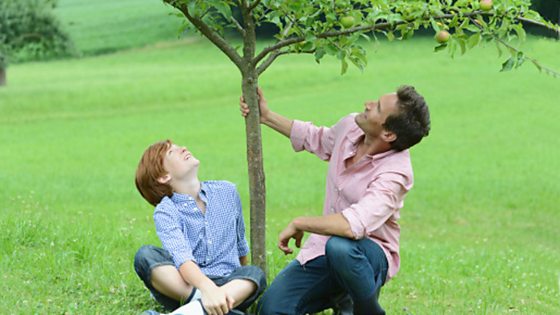
Question 2: So, what qualities do you look for in a tree?
Tim's tip: You want a tree that is going to be right for your garden. Think about what the tree will look like all year round. You want something that is going to be pretty in spring, wonderful through summer, and beautifully coloured as the summer turns into autumn. Something with blossom, fruit and good autumn colour will be an attractive addition to any garden.
You don't want a tree that's going to be too big for your garden, so if you only have a small space you need to think carefully about what to get.
When you go to buy your tree, make sure you check it carefully. A plant might look healthy, but if there is damage around the base then it is better to look for something else. And don't be afraid to take it out of the pot - then you can check how healthy the roots are. Look at the soil in the pot. If it's free from moss, then that's one to go for. You'll know it's fresh and your plant has been looked after.
Question 3: Where is the best place to plant a tree in your garden?
Tim's tip: You might need to stake your tree - supporting it with a kind of wooden pole - but if you plant it in a sheltered corner it should be OK. Next to a wall or sturdy fence is good, but not too close because you want to give the roots of the tree room to spread out. People used to think that a deep hole was the best place to plant a tree, but it's actually better to dig a bigger, shallower hole - again so that the roots have room to grow and aren't fighting to get through hard and compacted soil. You want to make sure your tree has the best chance to grow.

For more information and advice about planting trees, have a look at this original BBC Gardeners' World programme.
Did you spot the three qualities?
Tim said that these three things are important in choosing a tree for your garden:
- appearance - you want something that is going to be pretty in spring and something with good autumnal colour
- size - you don't want a tree that is too big for the garden
- condition - make sure the plant is healthy when you buy it
Language tips: Suggestions, Instructions and Advice
Tim gave lots of suggestions, instructions and advice about choosing and planting trees. Read this information about the language he used to do this. There will be a quiz to test what you've learnt, so read carefully!
1. The verb 'want' + noun + relative clause
We can use the verb want with a noun and relative clause to make an informal suggestion. Make the negative by replacing want with don't want. Tim said:
- You want a tree that is going to be right for your garden.
- You don't want a tree that is too big.
More examples:
You want a garden that is attractive to wildlife.
He doesn't want ta hole that is too deep.
You don't want grass that is cut too short. It looks terrible.
2. The verb pattern: want + infinitive with 'to'
The form is subject + (don't/doesn't) want + infinitive with 'to'. Tim said:
- You want to make sure your tree has the best chance.
More examples:
You want to water those flowers every morning.
He doesn't want to cut that grass too short. It will die.
3. Imperatives
We can use imperative verbs to give instructions. The form for imperatives is the base infinitive without 'to'. The negative is made with Don't + base infinitive without 'to'. Tim said:
- Think about what the tree will look like.
More examples:
Choose a tree that will look nice all year.
Don't forget to check the roots!
4. The phrase 'Don't be afraid + infinitive with 'to'
This informal phrase gives advice about doing something without worrying too much about it. The form is Don't be afraid + infinitive with 'to'. Tim said:
- Don't be afraid to take it out of its pot.
More examples:
Don't be afraid to pick up the tree.
Don't be afraid to cut back dead growth.
To do
Got that? Now let's practise some of these phrases and check your understanding of Tim's blog post - try our green fingers quiz!
Tree questions
7 Questions
Choose the best answer for each question. Can you get them all right?
ሓገዝ
Activity
Choose the best answer for each question. Can you get them all right?
ኣመት
Have a look at Tim's answer to the first question.Question 1 of 7
ሓገዝ
Activity
Choose the best answer for each question. Can you get them all right?
ኣመት
Read Tim's first tip and the grammar boxQuestion 2 of 7
ሓገዝ
Activity
Choose the best answer for each question. Can you get them all right?
ኣመት
Tim said ''Think about what the tree will look like all year round.''Question 3 of 7
ሓገዝ
Activity
Choose the best answer for each question. Can you get them all right?
ኣመት
Tim said ''You don't want a tree that is too big...''Question 4 of 7
ሓገዝ
Activity
Choose the best answer for each question. Can you get them all right?
ኣመት
Read Tim's answer to the third questionQuestion 5 of 7
ሓገዝ
Activity
Choose the best answer for each question. Can you get them all right?
ኣመት
Have a look at the grammar boxQuestion 6 of 7
ሓገዝ
Activity
Choose the best answer for each question. Can you get them all right?
ኣመት
Read Tim's answer to the third questionQuestion 7 of 7
Excellent! Great job! ሕማቕ ዕድል! ዘመዝገብኩምዎ ነጥቢ ...:
Next
We wonder if you've got green fingers now!? You've learnt a bit about gardening and some useful language for suggestions, instructions and advice. In the next activity, it's time for News Report. In the programme you'll find out about some health stories and hear the answer to this question: can carrots help you see in the dark?
ናይ ስዋስው ክፍሊ
Used to and would
Used to and would help us to talk about things that happened in the past.
Would + infinitive without 'to' - habits & repeated actions
- When I had free time, I would practise guitar.
Used to + infinitive without 'to'- habits & repeated actions
- Isabel used to sing in a band.
Used to + infinitive without 'to'- states or situations
- Bob used to be much shorter.
Making suggestions
With want: The form is subject + (don't/doesn't) want + noun + relative clause.
- You want a garden that is attractive to wildlife.
- You don't want lots of colours that will clash.
With want to: The form is subject + (don't/doesn't) want + infinitive with 'to'.
- You want a garden that is attractive to wildlife.
- He doesn't want to cut that grass too short. It will die.
Giving instructions
We can use imperative verbs to give instructions. The form is the base infinitive without to. The negative form is Don't + infinitive without 'to'.
- Choose a tree that will look nice all year.
- Don't forget to check the roots!
Giving advice
We can use the structure Don't be afraid + infinitive with 'to' to advise someone to do something that they may be worried about doing.
- Don't be afraid to pick up the tree.
Session Vocabulary
best practice(s)
the best way(s) to do things
towering
very tall and impressivebear fruit
(here) produce fruitcentrepiece
the main attraction that focuses attentionblossom
the flowers that trees sometimes produce in the springsoil
the earth in which plants growstake
(here) a wooden pole that supports a plant as it growssturdy
strong and uprightcompacted
pressed togetherhave green fingers (idiom)
to like and be good at growing plants