6 Minute English
Intermediate level
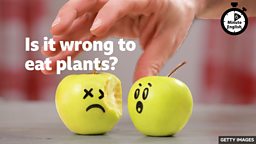
Is it wrong to eat plants?
Episode 230629 / 29 Jun 2023

Introduction
Plants don’t have brains or nerves, but according to some scientists, they can learn, solve problems, and even recognise other plants in their ‘family’. So, given the amazing things plants do, is it right to eat them? That’s what we talk about in this programme, and we teach you vocabulary along the way.
This week's question
Which tropical plant is famous for trapping insects to eat?
a) the corpse flower
b) the American skunk cabbage
c) the Venus fly trap
Listen to the programme to find out the answer.
Vocabulary
perceptive
able to quickly notice and understand things
and then some
and even more; used to emphasise that what was said before was an understatement
keen (sight, smell, hearing)
intense and powerful
distorted
changed from its original form
in and of itself
when considered alone, without taking any other factors into account
context
general situation or circumstances in which something happens
TRANSCRIPT
Note: This is not a word-for-word transcript.
Neil
Hello. This is 6 Minute English from BBC Learning English. I’m Neil.
Rob
And I’m Rob.
Neil
Many people these days choose not to eat meat, and for vegetarians, eating animals is wrong. But what about digging up a carrot, or picking apples from a tree? Is that wrong too?
Rob
I don’t think so, Neil. Plants aren’t alive in the same way as animals, are they? They can’t think or feel pain. And even vegetarians need to eat something. Fruit, vegetables, rice, beans – they all come from plants.
Neil
It’s true that plants don’t have brains or nerves, but according to some scientists, they’re much more than passive things rooted in the ground. Plants can learn and remember, they solve problems, and can even recognise other plants in their ‘family’. So, given the amazing things plants do, is it right to eat them? That’s what we’ll be discussing in this programme, and as usual we'll be learning some new useful vocabulary as well.
Rob
But first I have a question for you, Neil. Anyone who's seen cows grazing knows it’s usually animals that eat plants, but some plants have turned the evolutionary tables to eat animals instead. So, which tropical plant is famous for trapping insects to eat? Is it:
a) the corpse flower?
b) the American skunk cabbage? or
c) the Venus fly trap?
Neil
I think it’s c) the Venus fly trap.
Rob
OK, Neil. We’ll find out if that’s the right answer later in the programme. Plants have been on the planet for hundreds of millions of years longer than humans, and have used that time to evolve special skills. Here’s Professor Rick Karban, a biologist at the University of California, explaining more to James Wong, botanist and presenter of BBC Radio 4 programme, Is Eating Plants Wrong?
Prof. Richard Karban
Without eyes plants can perceive a lot of information about light, without noses plants can perceive chemical information, without ears plants can perceive sounds, and so we've come to realise that plants are very perceptive about what's going on in their environments.
James Wong
You could argue for example that plants can perceive most of the senses that humans can.
Prof. Richard Karban
I would agree with that and then some…
James Wong
What d’you mean, ‘and then some’?
Richard Karban
Anyone who's had a dog knows that dogs have a much keener sense of smell than humans do, and we're now learning that plants are very responsive to chemicals in their environment.
Neil
Even without ears, eyes, or a nose, plants are very perceptive – they notice things around them. In fact, Professor Karban says that plants perceive as much as humans and then some - an idiom meaning ‘and even more’ which is used to emphasise that what you mentioned before was an understatement. For example: Bill Gates is rich and then some!
Rob
Like dogs, plants have a keen sense of smell, which they used to detect chemicals in the air. Here, keen means powerful and intense.
Neil
OK, so plants can ‘see’ light and ‘smell’ the air, but does that mean they’re intelligent?
Rob
Maybe so. Studies modelled on the famous Pavlov’s dog experiment, have trained pea seedlings to find the quickest route to light through a maze, and remember it – evidence of memory. In another experiment, potted plants were lined up with roots joining them like a chain of people holding hands. The plants talked to each other, passing along information about water and air temperature through their roots, like children playing a game where a message is passed on, in a whisper, through a chain of people, becoming distorted in the process. Distorted means changed from its original form.
Neil
All this takes brain power, and there’s clearly evidence that plants might have some kind of intelligence. So, given all of this, is it wrong to eat them? That’s what James Wong asked, Michael Marder, professor of philosophy at the University of the Basque Country for his BBC Radio 4 programme, Is Eating Plants Wrong?
James Wong
Is it wrong to eat plants?
Prof Michael Marder
It is not in and of itself wrong to eat plants, but we have to do so while keeping in mind the context in which we're doing this. We have to first of all think about what kinds of plants we are eating, what are the parts of those plants? Are we in fact destroying the entire living being, or just taking certain of its parts such as fruits and leaves that are not essential to it that can actually fall off without doing harm to the whole organism?
Rob
Professor Marder says that eating plants is not wrong in and of itself – when considered alone, without taking anything else into account. But he thinks it’s important to remember the context – the situation or circumstances in which something happens. Picking an apple, for example, is okay because it doesn’t kill the tree itself which can go on to produce more fruit.
Neil
It seems plants really are clever – but do they know the answer to your question, Rob?
Rob
Ah yes, I asked you to name the famous insect-eating topical plant.
Neil
And I said it was the Venus fly trap.
Rob
Which was the correct answer. Well done, Neil. OK, let’s recap the vocabulary we’ve learned, starting with the adjective perceptive – quick to notice and understand things.
Neil
The idiom, and then some means ‘and even more’ and is used to show that something has been understated.
Rob
A keen sense of smell, sight or hearing, is powerful and intense.
Neil
Distorted means changed from its original form.
Rob
The phrase in and of itself means when considered alone, without taking anything else into account.
Neil
And finally, the context is the general situation in which something happens. Once again, our six minutes are up. Goodbye!
Rob
Goodbye!
최신 6 Minute English

Sexism: Female farmers fighting back
Episode 231228 / 28 Dec 2023
How can female farmers beat rural sexism?

Invasive species: Why don't we eat them?
Episode 231207 / 07 Dec 2023
Could we eat invasive species?

What and where is Little Italy?
Episode 231130 / 30 Nov 2023
Mozzarella, ricotta, cannolis and focaccia... Where are we? Little Italy of course!

Social media and teenage health
Episode 231123 / 23 Nov 2023
What are the health risks of social media for teenagers?






Sounds that make you want to scream
Episode 230928 / 28 Sep 2023
Are there any sounds you find upsetting?




The stories behind our names
Episode 230831 / 31 Aug 2023
What do our names reveal about our culture and family history?


Are you unhappy at work?
Episode 230817 / 17 Aug 2023
Does work leave you feeling bored and exhausted?





Is it wrong to eat plants?
Episode 230629 / 29 Jun 2023
Should we treat plants with the same consideration we treat animals with?
The art of subtitling
Episode 230608 / 08 Jun 2023
Hear how subtitles can help bring TV and movies to life
Ecotourism: good or bad?
Episode 230601 / 01 Jun 2023
We discuss the growing popularity of ecotourism.
Can climate change cause more disease?
Episode 230525 / 25 May 2023
With warming temperatures, mosquitos are now spreading to new areas, including Europe.


Ice and the origins of life on Earth
Episode 230504 / 04 May 2023
We talk about an essential element for life to thrive.

Women in politics
Episode 230427 / 12 Apr 2023
We discuss some of the reasons why women make up only 26% of the world's politicians.
What's the point of museums?
Episode 230420 / 20 Apr 2023
We discuss the role of museums in the 21st century and the items taken from different countries.

How culture affects sadness
Episode 230413 / 11 Apr 2023
What ways do you think culture can influence sadness?

Would you eat a Kalette?
Episode 230406 / 06 Apr 2023
Hear about a new kind of vegetable making an entrance in British kitchens

Do you get jealous easily?
Episode 230330 / 06 Mar 2023
Let's talk about the ugly green-eyed monster

Food and mood
Episode 230316 / 16 Mar 2023
We look at the link between what you eat and how you feel.
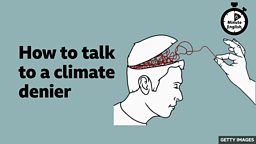
How to talk to a climate denier
Episode 230309 / 09 Mar 2023
The dos and don'ts of trying to discuss science with someone who doesn't believe in it
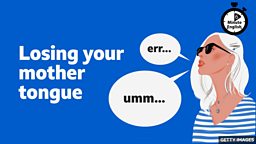
Losing your mother tongue
Episode 230302 / 02 Mar 2023
Hear the story of a woman who replaced her native Czech for English.
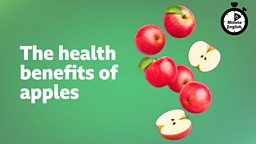
The health benefits of apples
Episode 230223 / 23 Feb 2023
Could 'an apple a day keep the doctor away'?

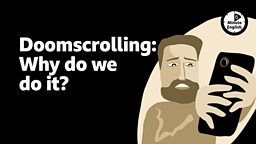
Doomscrolling: Why do we do it?
Episode 230209 / 27 Jan 2023
What is doomscrolling and why are we attracted to bad news? Listen to find out!

Exercise for the lazy
Episode 230202 / 22 Jan 2023
What's the least amount of exercise you should do to stay healthy?

Can AI have a mind of its own?
Episode 230126 / 26 Jan 2023
Hear about the software engineer who became 'friends' with his computer
Climate change: Are there too many people?
Episode 230119 / 13 Jan 2023
Does the size of your carbon footprint depend on where in the world you were born? Listen to find out!
The hidden life of buffets
Episode 230112 / 12 Jan 2023
Neil and Sam discuss buffet meals and the history behind them.

Songwriting
Episode 230105 / 05 Jan 2023
Writing a memorable song isn't easy. So is there an art to good songwriting?