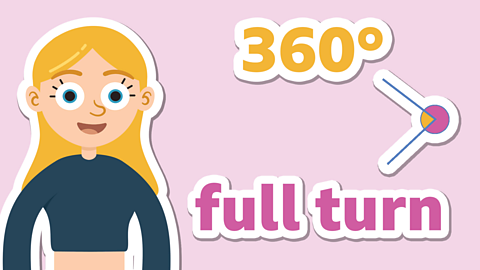
What is an angle?
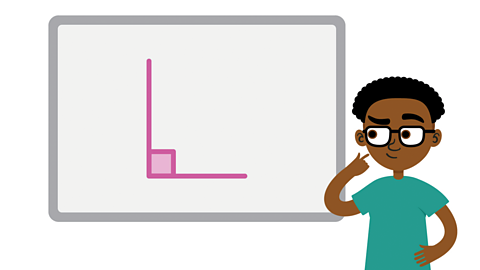
An angle is a measure of how much something has turned.
The size of an angle is measured in degrees (°). Angles can be between 0° and 360°:
A full turn is 360°
A half turn is 180°
A quarter turn is 90° (also called a ‘right-angle’)
You can use a protractor to measure the size of an angle.
Activity: Understanding angles
Complete this interactive activity to understand angles. Then put your knowledge to the test.
Types of angles
An angle is created when two lines meet.
There are different types of angles based on their measurement.
Let's look at the different types.
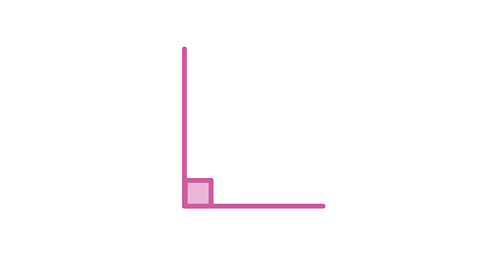
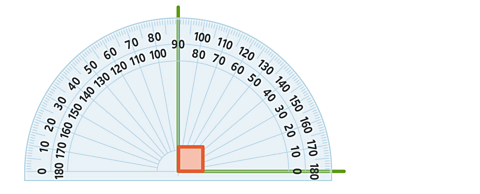
Image caption, Right angle
A right angle looks like the corner of a square or the edge of a book. It is a perfect 90°, which is often shown by a small square drawn in between the two lines


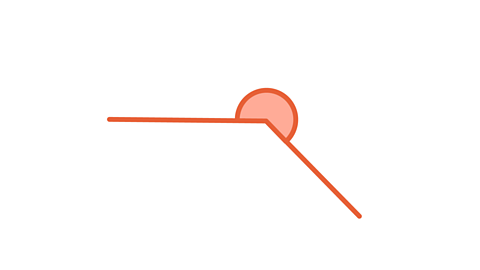
1 of 5
Measuring angles
You can use a protractor to measure and draw angles.
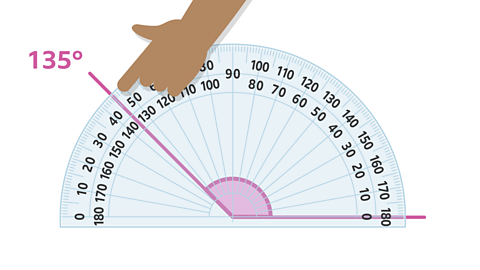
A protractor has a clockwise and an anti-clockwise scale. This is so that you can measure angles to the left or right.
Let's have a go at using a protractor to measure some angles.
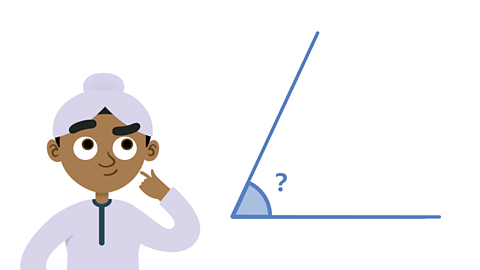
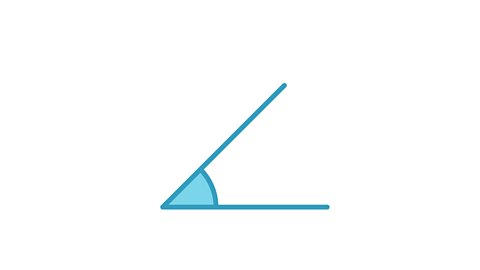
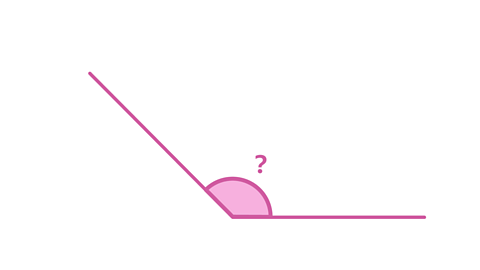
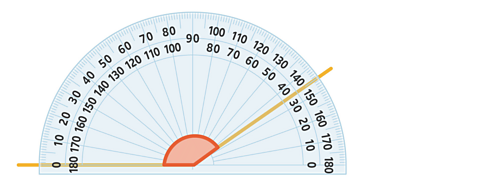
Image caption, What could this angle be? It's a good idea to estimate the angle first and then measure it. You can see it's an acute angle, so it's less than 90°.
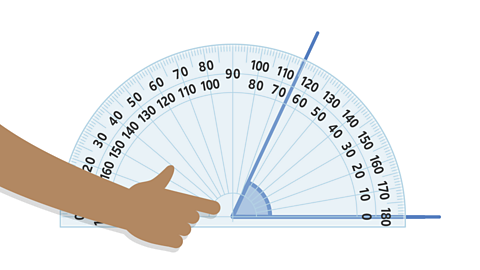
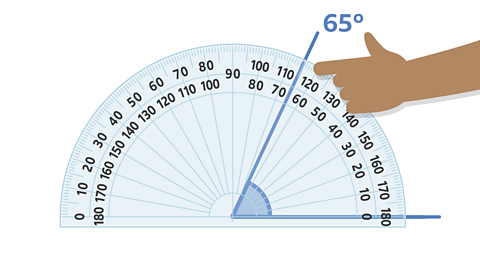
1 of 5
Example 1
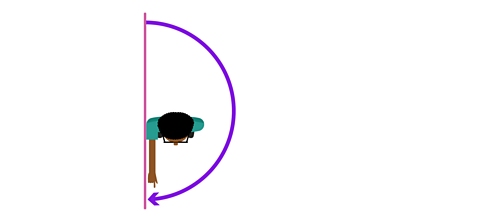
How many quarter turns are in this half turn?
✓ 2
There are two quarter turns in a half turn.
Example 2

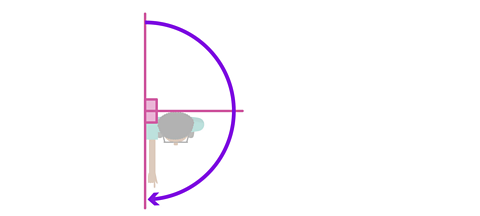
How many degrees is this angle?
✓ 90°
You know this is a right-angle, because of the square indicator.
A right-angle is 90° and this can be checked with a protractor.
Example 3

Is this an obtuse angle?
✓ Yes.
This angle is 160°.
Obtuse angles are greater than 90° and less than 180°.
NEW! Play Guardians: Defenders of Mathematica - the winter update. game
It's Mathematica as you’ve never seen it before, with all-new festive backgrounds and costumes. Available for a limited time only. Use your maths skills to save the day before it's too late!

More on Lines and angles
Find out more by working through a topic
- count2 of 4

- count3 of 4
- count4 of 4