Wildlife in a warming world

Wildlife Trusts
Partner organisation of the Watches
By Kathryn Brown, acting Director for Climate Change at the Wildlife Trusts
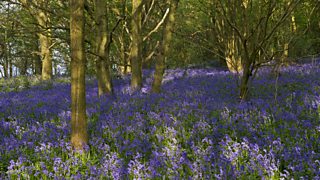
Bluebells in Hambleton Woods © David Tipling/2020VISION
It can be hard on dark, cold January days to get to grips with the fact that the world is definitely warming. Recent research shows that the past seven years have been the hottest on record. And we also know that climate change is having, and will continue to have a significant range of effects on our precious UK wildlife. There may be some local benefits for some species, for instance: warmer winters could benefit the survival rates of small birds. But we need to act to help the natural environment adapt to a whole set of systemic threats. There are four key groups, set out in the latest UK climate change risk assessment:
Species becoming scarcer due to our warming climate
The warming climate is likely to change the ‘climate envelope’ for thousands of species, meaning they will move further north, and to higher elevations.While we will see some species moving north into the UK and expanding their range here (like Dartford warblers), their southern ranges are shrinking, and other species like arctic skua may run out of suitable climate space altogether and become extinct in the UK. We also risk losing some of the most iconic aspects of British landscapes due to climate change – beech and bluebell woodlands are one example.
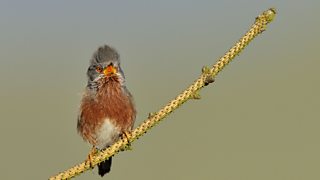
Dartford Warbler male singing in Wales © Andy Rouse/2020VISION
Greater numbers and more types of pests, pathogens and invasive non-native species
We’ve seen the devastating effects that diseases such as ash dieback can have on our natural landscapes in the UK. The risk from beet yellows virus which affects sugar beet is likely to increase significantly in the future as winters continue to warm. Current control measures like the use of neonicotinoids (which are toxic to pollinators like bees) are meant to be used only in exceptional circumstances, but these circumstances are becoming much more common. In addition, invasive non-native species, such as pacific oysters, can thrive as waters around the UK warm, reducing the diversity within marine ecosystems and pushing out oyster species which are native to our shores.
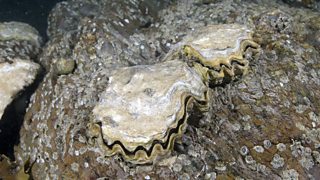
Pacific oysters © Paul Naylor
An increase in risk from extreme weather events
Many people saw the catastrophic effects of wildfire on Saddleworth Moor in 2019. What was particularly worrying was that the fire occurred in February, completely outside of the season when wildfires would be anticipated. Globally we are seeing wildfires happening in unusual places and unusual times compared to the past. And once they start, they can be very difficult to control and can lead to long-term severe damage to large areas. Wildfire risk in the UK could double as early as 2050. We also expect to see an increase in extreme heatwaves, flooding, and drought.
Ocean acidification and changing marine conditions
Rising sea temperatures and ocean acidification are likely to have profound effects on the marine environment. Declining numbers of sand eels and other small fish could see the loss of entire species of seabirds from UK waters. Puffins are one such example of a species at risk of rapid decline or loss.
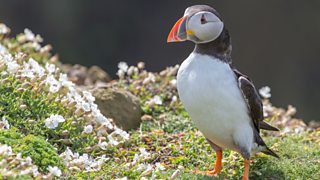
Puffin © Charles Thody Photography
Is all hopeless? Not necessarily. Climate change means that some change to our wildlife is inevitable, but we can still reduce the severity of climate change by taking action now to protect our natural world. If we can restore and repair damaged and degraded habitats, as well as create larger and better new habitats and link them together, we can give nature the best change of adapting to the changing climate. Nature’s recovery is absolutely essential to tackling climate change.