Pop-up radio: Why launch a station for just four days?

Brett Spencer
Digital editor, popular music networks, BBC Radio @brettsr
As the BBC Music Jazz station returns this week, for 96 hours only, Brett Spencer explains why and how the BBC digital ‘pop-up’ comes about:
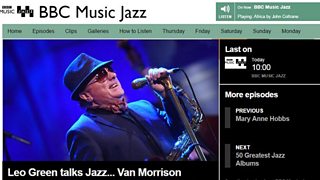
You may have dropped into a pop-up shop or even eaten at a pop-up restaurant. But what exactly is a pop-up radio station?
At the BBC we have been using digital pop-up stations to drive new ears to digital listening. It’s also given us the opportunity to give much greater air time to specialist music genres
Our biggest network is BBC Radio 2, with 15.5 million listeners a week. Of those, 37% are now listening digitally across the week, but that’s still only just over a third of the audience.
So we’ve created a number of Radio 2-branded pop-ups to reach audiences that might not be listening on digital just yet.
Radio 2 50s broadcast music and documentaries from the 1950s for four days in May, tied into a major BBC television season on the era. A month earlier, Radio 2 Country focused on country music and we have twice had Radio 2 Eurovision live from the Song Contest with a range of programmes and history on the event - again over a four day period.
Now there’s another chance to indulge in BBC Music Jazz. Jazz is a bit all over the place at the BBC - on Radio 2, on Radio 3, a strong presence on BBC Scotland - but this is the first time we have gathered it all in one place.
This 24/7 pop-up is also a unique collaboration, with the London Jazz Festival and with commercial digital station Jazz FM. You’ll be hearing Jazz FM presenters on the BBC, and BBC programming on Jazz FM over the period (10-14 November, a total of 96 hours).
We are attempting to bring not just jazz together at the BBC but right across UK radio - the pop-up promoting the genre and, of course, digital listening across the industry.
But let’s go back for a second. Why launch a radio station for just four days?
Let’s have a look at Radio 2 Country (listen to a taster clip, above). We are looking to encourage digital listening on DAB, on the BBC iPlayer radio and on mobile. While we’re looking to provide more of Radio 2 in the multiplatform space, we couldn’t ordinarily clear the schedule for country music for four whole days.
We’re also keen to promote country music as a genre, along with new UK country acts. Ward Thomas have become the first UK country act to score a number one album and The Shires have recently had the fastest selling UK country album. We are very much part of that story.
The pop-up station is all about getting people to listen to DAB or listen online, perhaps for the first time, so everything points to the ‘listen live’ message.
We broadcast for three days in partnership with the Country to Country Festival (C2C) which takes places across multiple stages at London’s 02, bringing the biggest names in country to the UK. We air every set live, on digital platforms, and this year we had our own Radio 2 Country stage as part of the festival, giving us a significant physical presence at the event.
The schedule consists of many well-known Radio 2 presenters who, of course, promote the station on their own network shows. In fact it’s the only time of year that we offer a choice of listening at the top of each hour - to Radio 2 or Radio 2 Country. And we also have artists like Don Henley and Little Big Town presenting their own hours.
Unsurprisingly, social media for this service is huge, and joined up with the C2C event. This spring we started our social media around Radio 2 Country two months before we were on air and maintained it daily, with lots of unique shareables that we used to promote the offering.
So what have we learned so far about the best way to mount a pop-up radio station? In summary:
- It’s all about the mothership. Use familiar brands and dovetail the schedules
- The more live shows the better for engagement
- You can play shows more than once
- Concentrate on the core product
- Use people with great specialist knowledge to work on it
- Use programme brands and presenters who can drive from their own shows and social
- Think wide within your organisation and beyond. BBC Radio 5 live pushed to R2C. The Shires promoted it on TV. Find new places to promote what you are doing.
Listen to BBC Music Jazz BBC Music Jazz via a DAB digital radio, online at www.bbc.co.uk/musicjazz or via the RadioPlayer, It is also available as an ‘on demand’ service for up to 30 days after broadcast.
The Academy section on producing specialist radio programmes