Making hard-hitting social media content within BBC editorial guidelines

Kris Bramwell
Assistant digital content producer, BBC Academy
The BBC Editorial Guidelines apply to all of its content, whoever creates it and wherever and however it is distributed. Issues like accuracy, impartiality, harm and offence need to be considered in all BBC output. But how do the Editorial Guidelines apply in the world of social media?
Speaking at an event called Editorial Policy in a Dynamic Digital World, Matthew Eltringham, senior adviser on editorial policy, explained - with reference to four examples of recent BBC social media content.
1. Turning Uncle Pain into content for BBC Three
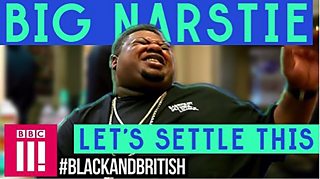
Big Narstie is a grime artist who adopts an agony aunt alter ego known as Uncle Pain on his YouTube channel.
The BBC’s digital storytelling team produced a series of social videos with Big Narstie for BBC Three in time for the Black and British season.
Matthew said that as the character Uncle Pain is mostly seen with “a spliff in his hand” and “every second word would never get past even 11 o’clock on BBC Four,” this presents a particular challenge for content makers.
However, the video Can White People Say ‘Wagwan’? was viewed 1.7 million times on Facebook.
“There’s a lot of language going on,” said Matthew. “But if we’re going to address the C2D audience, we need to be doing that kind of stuff.”
The BBC Three audience expect Big Narstie to be swearing, “otherwise there is little point and we’ll end up with content that is 50 shades of beige,” across all BBC platforms.
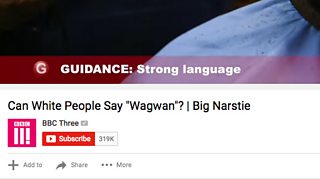
After conversations like “what the F word count was” (a not unfamiliar conversation within the editorial policy team), a warning was placed on the video to prepare people for the strong language used.
2. The World According to Kids
The social media promotion around the BBC Two programme The World According to Kids included content specifically made for social platforms, such as a film about growing up published on Facebook.
The concerns here are that the video involves young people who could receive trolling and abuse once the content is published. Content makers have a very clear duty of care to look after their contributors, particularly if they are young or vulnerable.
This was managed by:
- seeking explicit consent from parents
- only working with the children whose parents agreed to their children taking part in this bespoke filming for social content
- working closely with parents during the making of the content
- informing both the parents and children of when the film would be posted on social media channels
- monitoring the comments when the film was published to make sure the children were not trolled heavily
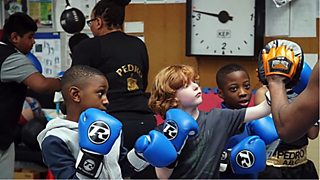
The BBC Two series The World According to Kids
The key is that as long as you do things properly, there is no reason why you can’t use children on social media platforms.
Matthew said: “Even if they are only eight or nine years old, they have a right to a voice and we shouldn’t be censoring them because it is too difficult - as long as we take the right decisions, go through the right process and we put the right protections in place.”
3. The private dance video that went viral
BBC Arabic’s Shame series told the story of Ghadeer Ahmed, an Egyptian woman who sent a video of herself dancing in a short dress to her boyfriend at the time. After they broke up some years later, he posted the video on YouTube.
Critics tried to shame Ghadeer on social media by linking to the video but she reposted it on her own Facebook page and told everyone she was proud.
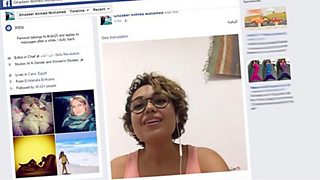
The issues the Shame series raised as a whole were around informed consent and its producer’s duty of care towards contributors. Did the contributors understand the impact that their content being shared on the BBC could have on their lives and what did the BBC need to do to protect their physical and emotional well being?
Matthew said: “Not everyone was as educated or informed as Ghadeer in the ‘for your eyes only' piece”.
The other issue was about signposting the audience towards help relating to the issues raised in the video.
“In the Arab world helplines are hard to find, so we had a real issue about how we could respond or pass people on to sources of help and support,” explained Matthew.
“We finally got a solution where we got a couple of key numbers and we pointed people to good advice, but that was as much as we felt we could do”.
4. Body Scrubs: BBC Taster
As part of a science experiment, Body Scrubs tested whether audiences had the stomach to watch videos of medical procedures such as facelifts or hip replacements.
“For the harm and offence issues from the content on the website, we gave plenty of warning and heads up that they were going to watch something that’s pretty grim,” said Matthew.
The site was promoted via BBC One’s Snapchat account with the help of a vlogger.
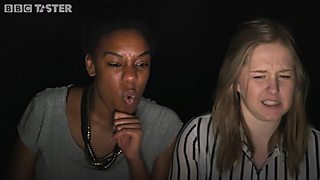
Images of viewers wincing were used to manage audience expectations of Body Scrubs
- BBC Editorial Guidelines
- Editorial policy and social media training
- Editorial policy in a dynamic world talk - Matthew Eltringham and others in a panel discussion from which this blog post was written (BBC staff access only)
- BBC Fusion - organisers of the discussion