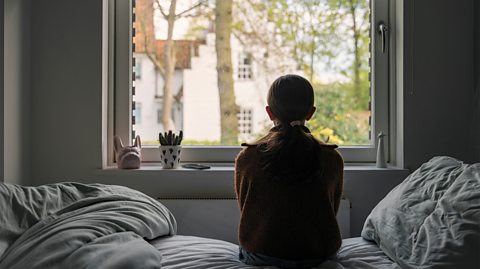
It is Anti-Bullying Week, and for many children bullying is something that can profoundly affect them not just in school but also at home – when online they can be bullied even in the safety of their bedroom.
Our recent survey of teenagers as part of Bitesize and 5Live’s Teen Summit found 53% of children say online and face-to-face bullying are very or quite common.
Bullying isn’t a one-off thing - it takes place over time and children who experience bullying may end up missing school, can have poor wellbeing and potentially even depression. Research shows the impact of bullying can continue into adulthood.
So how should parents start conversations about bullying and what can be done to help a child through a bullying incident?
What signs of bullying do parents need to watch out for?

Here are 10 signs that your child may be experiencing bullying:
Changes in usual behaviour
Falling out with their usual friendship group
Reluctance to go to school or skipping classes
Becoming more introverted or withdrawn
Acting out at home or fighting more with siblings
Torn clothes, missing items or missing money
Unexplained bruises, cuts or marks
Trouble sleeping or bed-wetting
Significantly more or significantly less time spent on their phone or other devices
Unexplained stomach aches or illnesses that occur around certain times like mornings before school or just before PE lessons
The theme of Anti-Bullying Week in 2026 is 'Break the Silence' and aims to spark conversations about bullying, to encourage children and parents to speak up, listen and take action together.
We spoke to Director of the Anti-Bullying Alliance, Sarah Wayman, about where bullying can take place and how parents can help their child deal with and get through it.
“Bullying can happen anywhere,” Sarah explains. “It often happens in or around school, whether it be on the way to or from school, in the corridors between classes, or in the playground. But it happens outside of school too – in social space, parks, or online. It can be particularly scary when it happens online because people can do it anonymously, things can get shared quickly and lots of people can join in all at once. It can mean that people can be bullied whilst sitting at home on their sofa or in their bedroom so it can feel hard to escape.”
What are Sarah's tips to tackle bullying?

1. Pick the right time for a conversation
It can be quite intense to suddenly start a conversation about bullying with your child. Often children will want to run in the opposite direction. Make the conversation natural – for example if a storyline comes up in a film or show you’re watching together. You can discuss the characters and their actions, why they are wrong or how it made another character feel. This is a less intense way into the conversation and it can help your child open up.
2. Normalise talking about bullying from an early age
It’s really important to start conversations about bullying with your children as early as possible. Talk about how we should treat each other. For younger children, it might be questions like:
- ‘What does a good friend look like?’
- ‘How does a good friend make you feel?’
- ‘What are the ways that some people might be different to you?’
- ‘How do you help someone if they are feeling sad?’
And when children get a bit older, you could start asking slightly more nuanced questions like:
- ‘When can bullying be a crime?’
- ‘What kinds of ways are online bullying and face-to-face bullying different?’
- ‘How would you report online bullying or block someone?’
Having these conversations before bullying occurs can really help when navigating it later.

If your child tells you they are being bullied:
3. Remain calm and listen carefully
It can be upsetting to find out that your child is being bullied and you might become emotional - even angry - seeing them upset. It’s important to stay calm - the first thing to do is to really listen and reassure your child that coming to you was the right thing to do. It takes a lot for children to reveal that they are being bullied and in the first instance they often just want to be heard.
4. Reassure them
Assure them that the bullying is not their fault. You're never bullied because of who you are, you're bullied because of someone’s attitude towards you. Be kind to yourself too, it’s easy for parents to blame themselves but it’s not your fault either.
5. Establish the facts
Before taking any action, you need to establish the facts. Try to find out what occurred, how many times it happened, who was involved and where it took place. If the incident was online, make sure to take screenshots and try to keep that evidence. Keeping track of everything or creating a log can help when reporting bullying.
6. Talk to your child’s school and seek advice
Talk to your child’s school and find out what their bullying policy is - this will outline how the school might deal with it. It’s best to follow their policy to ensure things get worked out properly.
Don't encourage retaliation. It's completely understandable why you may think it’s a good idea, but it tends to have very unpredictable results. If a child who has been bullied tries to retaliate or do something, they often can find themselves in trouble with the school and it can even make the bullying worse.
7. Have fun outside of school
While school might be a difficult environment for your child, it’s important that they still have fun in their lives. Try to encourage your child to get involved with things they enjoy outside of school. They could go to events they are interested in, start a hobby, or get involved with a youth group where they can meet other kids. This will help them make new friends and increase their confidence again.
Learning that your child is being bullied can be incredibly distressing. However, through calm and supportive conversation, you can equip your child with the tools they need to open up, reach out and understand that they're not alone during these tough moments.

For more information about Cyberbullying, head over to Primary Online Safety
CBBC have made some animations on the things your child can control around bullying - they're here on BBC iPlayer.
Sarah Wayman is Maternity Cover for the Director of the Anti-Bullying Alliance
Bitesize Parenting
Fun activities, real-life stories, wellbeing support and loads of helpful advice - we're here for you and your child.
One in four children are bullied - what can parents do?
Psychologist Anjula Mutanda outlines how parents can spot signs of bullying, improve resilience and build confidence.
How to manage your child’s online world without clashing
Children and teens spend lots of time online for school and leisure, which can be a worry for parents. Here's some advice on managing your child’s screen time.

What are the signs of bullying?
Harry and Konnie discuss the signs of bullying, with tips on how to spot them from the Anti-Bullying Alliance.
How to help your child reach out about bullying
Equipping your child with the tools they need to open up and understand that they're not alone during these tough moments.

How to help your child with feelings of loneliness
What can I do if my child is feeling lonely? What should I say and do? Bitesize Parenting have put together some top tips for you to help your child.